Suiting Devil: A Devilish Embroidery Design for Craft Fair Sellers
When you are setting up a craft fair booth or refreshing your Etsy shop for the Halloween season, every design you choose carries weight. The Suiting Devil machine embroidery design landed on my worktable recently, and I want to walk through it from the perspective of someone who has prepped dozens of booth runs. This is not a speculative review. It is a real-world judgment of what this embroidery file can do for your handmade product lineup, whether you are a small shop product maker, a digital seller of design assets, or a Cricut and embroidery crafter looking to expand your seasonal offerings.
First Impressions: Bold, Festive, and Booth-Ready
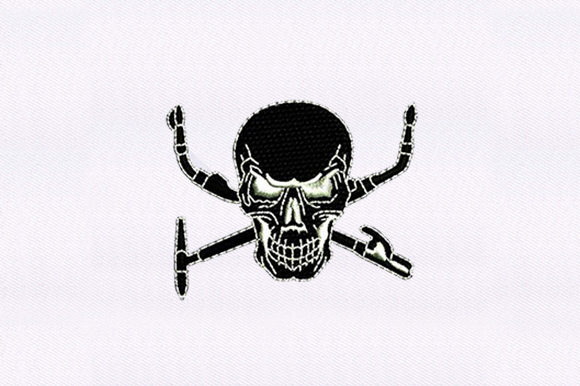
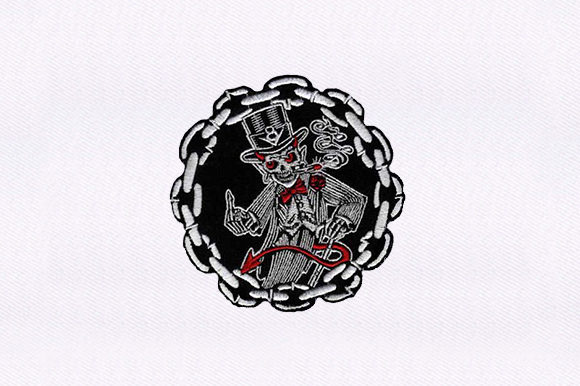
Opening the Suiting Devil design, the first thing I noticed was its confident presence. It carries a bold, slightly theatrical mood that fits the Halloween season without tipping into overly cute or cartoonish territory. The title suggests a devil in formal attire, and the overall vibe feels premium with a wink. For a craft fair product, that balance is gold. Customers at a fall market want something that feels festive but not disposable. This design lands in a sweet spot between decorative and playful, which makes it easy to imagine on a range of finished product items.
From a first glance, the design reads clearly. The silhouette is distinct, and the details are intentional enough to hold interest up close. That is critical when you are placing it on a tote bag design or an apron embroidery that needs to catch a browser's eye from six feet away. If the design were too intricate or muddy, it would disappear on a busy booth table. Suiting Devil avoids that trap. It announces itself without shouting.
Where Suiting Devil Shines on Handmade Products
I tested this machine embroidery design across several product types that I commonly prepare for holiday markets. Each one revealed a different strength of the design.
Tote Bags and Market Bags
This is where Suiting Devil feels most at home. A sturdy canvas tote bag with this design centered on the front panel becomes an immediate conversation piece. The boldness of the devil motif works well with the casual, everyday nature of a tote. I recommend a hoop size that allows the design to sit at least three inches below the top edge so it does not get lost in the bag's opening. The design holds its own as a focal piece, and customers at a craft fair product booth will pick it up just to study the stitching.
Apron Embroidery
For an apron embroidery project, this design adds a playful edge that appeals to home cooks and Halloween entertainers. The design sits well on a bib apron or a half-apron pocket. Keep in mind that apron fabric can vary from stiff cotton to softer blends, so stabilizer choice matters. I would use a tear-away stabilizer for most cotton aprons and a cut-away for anything with stretch. The design's stitch density is noticeable but not excessive, which means it will lay flat on the apron without puckering, provided your fabric is hooped correctly.
Tea Towel Embroidery
Tea towel embroidery is a staple for many Etsy sellers, and Suiting Devil works well here as a smaller accent or a centered statement. If you are making a set of Halloween towels, this design can be the hero piece. I suggest testing it on a scrap towel first because towel texture can sometimes swallow fine details. The design's clarity holds up better on smoother weaves. If you are using a looped terry towel, the stitch detail may soften, so consider a tighter stitch density adjustment if your software allows it.
Embroidered Patch
An embroidered patch version of this design is a smart move for your booth. Patches are low-cost, high-margin items that customers love to sew onto jackets, bags, or jeans. The Suiting Devil design has enough shape integrity to work as a standalone patch. I would back it with a heavy-duty stabilizer and trim close to the edge for a clean finish. If you offer patches as a digital embroidery file for customers to stitch themselves, this design is a strong addition to your Halloween collection.
Pillow Covers and Small Pouches
For home decor, a pillow cover with this design adds a seasonal touch that does not overwhelm a room. The design's mood is festive but not gaudy, which makes it appropriate for a fall-themed couch or entryway. Fabric pouches also benefit from the design's compact footprint. A small cosmetic pouch or a gift card holder with a tiny Suiting Devil motif becomes an easy add-on sale at your booth.
Batch Production and Repeatability for Craft Fairs
One of the first questions I ask when evaluating a commercial embroidery design is whether it can be stitched multiple times without inconsistencies. Suiting Devil performs well in this regard. The design does not rely on tiny, fragile details that break down after repeated hooping. The thread colors are distinct and separate, which reduces the risk of thread breakage or color bleeding during production.
If you are a digital seller offering design assets, this design is also a strong candidate for a printable mockup. You can photograph one finished sample and then use that image across multiple listings, showing the design on a tote, an apron, and a patch. That consistency helps your Etsy seller presence look professional and cohesive.
For batch production, I recommend stitching a test run of three to five items before committing to a larger quantity. Check that the stitch density remains even across different fabric types. I noticed that on thicker fabrics, the design holds its shape well, but on very lightweight materials, there is a slight risk of the fabric pulling if the stabilizer is not strong enough. A medium-weight cut-away stabilizer solves this issue for most projects.
Careful Notes Before You Sew: Density, Fabric, and Hoop Size
No design is perfect out of the box, and Suiting Devil has a few points worth checking before you start production. These are not dealbreakers, but they are the kind of details that separate a good booth display from a great one.
- Stitch density: The design has areas of dense stitching, particularly in the details of the suit and the pitchfork. If you are using a textured fabric like a thick towel or a heavy sweater knit, those dense areas may cause the fabric to pucker. Always test on a scrap piece first.
- Tiny details: Some of the finer elements in the design, such as the facial features or small accents, could lose clarity at smaller sizes. If you are stitching the design at a reduced scale, check that those details remain readable. I recommend keeping the design at or above its original recommended size for best results.
- Small lettering (if any): The design does not appear to include tiny lettering, but if you are pairing it with custom text, be cautious about font size. Small letters on a dark fabric can disappear, especially if the thread colors are dark as well.
- Dark fabric: The design's contrast is strongest on lighter or medium-toned fabrics. On black or very dark fabric, some of the darker details may blend in. Consider using a lighter thread for the outline or adding a satin stitch border to create separation.
- Curved cap surfaces: If you are stitching this design onto a cap, the curvature of the cap can distort the design's shape. Use a cap hoop and a firm stabilizer, and test the placement so the design sits centered on the crown without stretching.
Staging Your Suiting Devil Products for Maximum Sales
Once you have a few finished samples, the way you display them at a booth makes a real difference. Suiting Devil has a theatrical quality that benefits from good lighting and clear positioning. I would place the tote bag or apron at eye level, maybe on a small easel or a hanging rack. The bold silhouette will draw customers in, and then they will notice the stitch quality up close.
For online listings, take photos in natural light and include a close-up of the stitching. A printable mockup can help you show the design on multiple products without stitching every single one, but I always recommend having at least one real sample for Etsy listings. Customers can tell the difference between a mockup and a photo of an actual finished product.
If you are a small shop product creator, consider offering a limited edition run of Suiting Devil items for the Halloween season. The design's mood is specific enough to feel exclusive, but broad enough to appeal to a wide range of shoppers. You can also bundle it with other Halloween-themed designs to create a cohesive booth display.
Final Thoughts from a Designer's Worktable
After spending time with Suiting Devil, I am confident it is a strong addition to any commercial embroidery lineup for the Halloween season. It is bold, readable, and versatile enough to work on tote bags, aprons, tea towels, patches, and pillow covers. The design holds up in production, photographs well, and has the kind of visual personality that stops customers at a booth.
Before you start selling, confirm the commercial embroidery licensing terms for this design. If you are a digital seller reselling the embroidery file, make sure you have the correct permissions. If you are stitching and selling finished product items, check that the license covers that use. No one wants a legal surprise after a successful weekend.
Test the design on scrap fabric, check your thread contrast, review the spacing, and inspect the stitch density. Use the right stabilizer for your fabric, create at least one real mockup, and compare fabric colors to find the best contrast. These steps are routine for any experienced embroidery designer, but they are easy to skip when you are excited about a new design. Do not skip them.
Suiting Devil is a design that rewards attention to detail. If you take the time to prepare it properly, it will pay you back in booth sales and customer compliments. That is the kind of design worth adding to your rotation.