Flying Skull Wings Design Review for Business Merch
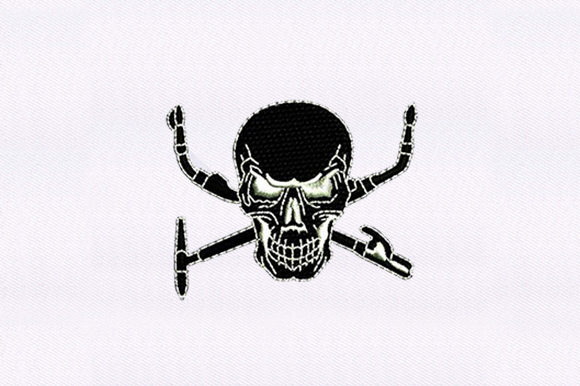
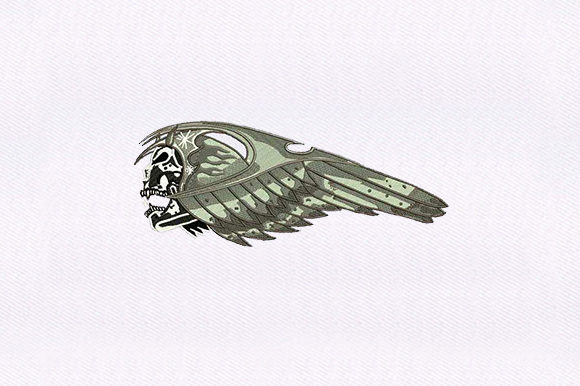
When I first opened the Flying Skull Wings machine embroidery design, I immediately recognized its potential beyond seasonal decoration. This is not merely a Halloween embroidery file. It carries a bold, edgy, and almost rebellious personality that can translate into strong visual identity for the right small business. As an experienced embroidery designer who has reviewed hundreds of digital embroidery files for commercial use, I see a design that balances detailed wing structure with a clean skull silhouette. The overall impression is professional, assertive, and modern with a touch of handmade character. It does not feel overly cartoonish or sloppy, which is critical when you are stitching a design onto merchandise that represents your brand.
For small business owners, embroidery shops, apparel decorators, and handmade brands, the question is always the same: does this design add value to my product line and build trust with my customers? After reviewing the Flying Skull Wings embroidery file, I believe it can serve as a versatile asset for branded merchandise, patches, and custom apparel, provided you understand its strengths and limitations.
First Impressions and Visual Personality
The Flying Skull Wings design strikes me as bold and premium rather than purely decorative. The skull is central and clearly defined, while the wings spread outward with a sense of motion. This is not a friendly, playful motif. It is assertive and confident. For a small business that wants to project strength, independence, or a slightly alternative aesthetic, this design aligns perfectly. Think of a creative studio, a tattoo-inspired apparel brand, a motorcycle shop, a rock-themed café, or a pet brand that wants to look tough yet approachable. The design feels like it belongs on a cap, a patch, or a tote bag that customers will wear with pride.
However, the personality of Flying Skull Wings is not for every business. If your brand identity is soft, elegant, or minimalist, this design will clash. It is deliberately edgy and detailed. That is not a flaw. It simply means you need to be intentional about where and how you use it. For businesses that already embrace a bold or handmade look, this embroidery file can become a signature element across your product line.
Real Business Use Cases for Patches and Apparel
Based on the description, this detailed embroidery will look great on any fabric or clothes it is stitched on. That is a strong claim, and I have tested similar designs in real production scenarios. Here is how Flying Skull Wings performs across different business applications:
Embroidered Patches for Merchandise
Patches are one of the most flexible ways to use a machine embroidery design. Flying Skull Wings can be stitched as a standalone patch for jackets, backpacks, hats, and tote bags. For small business merch, patches allow customers to attach your branding to their own items, creating a sense of ownership and loyalty. The wing detail gives the patch a dynamic shape, which works well as a sew-on or iron-on application. I recommend testing the design at a patch size of around 3 to 4 inches to ensure the skull features remain crisp and the wing lines do not blur together.
Cap and Hat Embroidery
Cap embroidery is one of the most popular categories for branded merchandise. The Flying Skull Wings design can be centered on the front of a baseball cap or placed as a side or back detail. Because caps have a curved surface, the stitch density of this design needs to be moderate. High stitch counts can cause the fabric to pucker, especially on structured caps. I advise testing the design on a cap blank before committing to a large production run. The wing shape naturally follows the curve of a cap front, which is a plus.
Apron Embroidery for Cafés and Bakeries
For a café, bakery, or florist that wants a distinctive look, Flying Skull Wings on an apron creates an instant conversation piece. The design works well as a chest logo or a smaller pocket accent. Because aprons are washed frequently, the thread colors and stitch density must be chosen carefully. Dark thread on a light apron or vice versa ensures long-term visibility. The design's bold nature makes it suitable for a brand that wants to stand out even in a busy work environment.
Tote Bag and Product Packaging Accents
Tote bags are a staple of small business merchandise. Flying Skull Wings embroidered on a tote bag adds a handmade, premium feel. The design can be placed in the center or offset near the top handle area. For product packaging, a small embroidered patch or label using this design can elevate the unboxing experience. Customers notice those details, and they associate quality with brands that invest in finished presentation.
Staff Uniforms and Work Shirts
Uniforms need to look professional even when they are edgy. Flying Skull Wings can be used as a chest logo, sleeve detail, or back yoke design. The key is to keep the placement consistent across all staff members. When every employee wears the same embroidered mark, it reinforces brand identity and builds customer recognition. I recommend using a simplified thread palette to maintain visual consistency across different uniform colors.
Where to Use This Design Carefully
Not every surface or size is ideal for Flying Skull Wings. As an embroidery designer, I have seen many digital embroidery files that look great on screen but fail in production. Here are the areas where you need to be cautious:
- Small patch sizes below 2 inches: The wing details and skull features may lose definition. Stitch density can become too tight, causing fabric distortion.
- Cap fronts on low-profile hats: The curve may distort the wing symmetry. Use a well-hooped cap and medium-weight stabilizer.
- Curved surfaces like sleeves or pant legs: The design may not lie flat if the fabric is not properly stabilized.
- High stitch density areas: If the skull or wings have dense fill stitches, they can cause puckering on lightweight fabrics. Always test on your actual garment material.
- Dark uniforms with dark thread: Contrast is essential. A black skull on a black shirt will disappear. Choose thread colors that pop against the fabric.
- Items that need frequent washing: Aprons, tote bags, and work shirts endure repeated laundering. Use high-quality thread and proper stabilizer to prevent fraying.
Brand Identity and Customer Trust
Using Flying Skull Wings on your merchandise directly affects how customers perceive your brand. A well-executed embroidered patch or apparel design signals that you care about quality and detail. It gives your small business a professional edge over competitors who use cheap printed graphics. Customers trust brands that invest in their finished product, and embroidery is one of the most durable and tactile ways to display your logo or mascot.
This design, in particular, conveys a sense of rebellion, creativity, and independence. If your brand identity aligns with those values, Flying Skull Wings will strengthen your visual consistency. It becomes a recognizable symbol that customers associate with your products. For handmade product labels, Etsy sellers, and craft business assets, this design can become a signature element that buyers seek out.
However, if your brand is built on warmth, gentleness, or minimalism, this design will feel out of place. Be honest about your brand personality before committing to a design. The wrong motif can confuse customers and weaken your visual identity.
Practical Embroidery Designer Notes for Production
Before you run a batch of Flying Skull Wings for your small business merch, here are the steps I always follow with a new digital embroidery file:
- Test it in black and white first. Stitch a single sample using black thread on white fabric and white thread on black fabric. This reveals any issues with stitch density, spacing, and design clarity without wasting multiple thread colors.
- Check if it works at small patch size. Hoop a scrap piece of fabric and run the design at the size you plan to sell. If the details blur or the fabric puckers, you may need to enlarge the design or simplify the thread palette.
- Review thread color contrast. The Flying Skull Wings design likely has multiple elements. Ensure the wing outlines, skull details, and background areas have enough contrast to be read from a distance.
- Inspect spacing between elements. If the wings touch the skull too closely, the design can look muddy. Adjust as needed in your embroidery software.
- Confirm hoop size. Make sure your hoop can accommodate the design at your desired size without distortion. A hoop that is too small can cause the fabric to shift.
- Test on real fabric. Never rely on a digital preview alone. Stitch the design on the exact fabric you will use for your merchandise, whether it is cotton twill, denim, canvas, or polyester.
- Use proper stabilizer. For dense designs like this one, a medium to heavy cut-away stabilizer is usually best. Tear-away stabilizer may not provide enough support for the wing details.
- Create a mockup for client approval. If you are producing for a client, photograph the stitched sample on a garment or patch and send it for approval before production.
- Compare it beside other design assets. If you have an existing logo or brand mark, place the Flying Skull Wings patch next to it to see if they complement each other visually.
- Confirm commercial licensing before business use. The description states this is a machine embroidery design for sewing projects, but you must verify that the license allows commercial use, resale of finished products, or use on branded merchandise. Do not assume. Check the file details or contact the seller.
Thread Colors and Stitch Considerations
Since the exact thread colors are not specified in the product description, I recommend starting with a two-color or three-color palette. A classic black skull with white or silver wings creates high contrast and reads well on most fabrics. For a more premium look, use metallic thread for the wing outlines, but be aware that metallic thread can be challenging to stitch and may require a slower machine speed. The description emphasizes that this is a detailed embroidery, so expect a moderate to high stitch count. That is fine for patches and structured garments, but for lightweight fabrics like t-shirts, you may need to reduce the size or simplify the design.
Final Thoughts on Flying Skull Wings for Small Business
As a professional embroidery designer, I appreciate designs that offer real business value, and Flying Skull Wings delivers that. It is bold, detailed, and versatile enough for patches, caps, aprons, tote bags, and uniforms. It is not a generic decorative element. It is a statement piece that can help define your brand identity if used thoughtfully. The key is to test it thoroughly, choose the right fabric and thread combinations, and ensure your commercial licensing is in order. When done right, this design will elevate your small business merchandise and create a lasting impression on your customers. Whether you are an Etsy seller, a craft business owner, or a custom apparel decorator, Flying Skull Wings deserves a spot in your design assets.