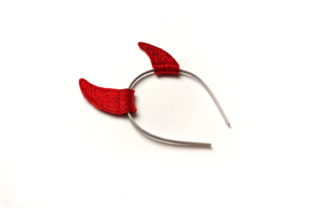
Devil Horns ITH Headband Slider Applique Review
When I first opened the Devil Horns ITH Headband Slider Applique file, I immediately saw the potential for a booth that grabs attention. As someone who has spent years testing machine embroidery designs for craft fair tables, I know that bold, playful motifs sell best when they are instantly recognizable. This design delivers exactly that. Whether you are an Etsy seller building a Halloween collection or a small shop product maker looking for something fresh, this embroidery file offers a clear path to finished products that customers will notice.
First Impression: Bold, Playful, and Booth-Ready
The Devil Horns ITH Headband Slider Applique feels like a design that was made for the craft fair environment. It is not subtle or quiet. It is funny, festive, and slightly mischievous. That kind of energy works well when you have a table full of tote bags, aprons, tea towels, and patches. Customers scanning a booth from a few feet away will see those horns and immediately understand the theme. That instant recognition is what drives impulse buys. In my experience, designs that read clearly at a distance always outperform those that require close inspection.
This design leans into a playful, almost cartoonish vibe. It does not try to be elegant or farmhouse. It is bold and direct. That makes it a strong candidate for Halloween themed products, but also for any event where a little edge is welcome. The description notes that the same shape can be used as cow horns in a different color. That flexibility is a smart bonus for makers who want to extend the design beyond one season.
Where This Design Shines in a Booth Display
Imagine setting up your table with embroidered tote bags, aprons, pillow covers, and small pouches. You have patches pinned to a board, caps on display stands, and a few market bags folded neatly. The Devil Horns ITH Headband Slider Applique would stand out best on products that are easy to pick up and examine. Headband sliders are naturally tactile. Customers will want to hold them, feel the applique layers, and try them on. That kind of interaction is gold for a craft fair seller.
I would also recommend stitching this design onto small fabric pouches or giftable handmade items. A small pouch with devil horns peeking out is a conversation starter. It works as a standalone product or as an add on at the checkout. For booth samples, stitch one onto a cap or a tote bag design to show the scale and texture. Customers who see it on a larger item will often ask if you can make it on something smaller. That is a sign of a design that sells.
Best Product Types for This Design
- Headband sliders – the intended use, and they work perfectly for this
- Tote bag design – a bold accent near the top or centered on the bag
- Apron embroidery – a fun touch for the chest pocket or bib area
- Tea towel embroidery – a small repeat or single horn motif near the hem
- Embroidered patch – stitch separately and attach to bags, jackets, or hats
- Cap embroidery – works well on structured caps if the hoop size allows
- Pillow covers – a playful accent for a seasonal throw pillow
- Small pouches and zipper bags – quick to produce and great for gift bundles
- Market bags – a casual, fun design that stands out on reusable totes
Selling and Production Practicality
One of the first things I evaluate in any machine embroidery design is how easy it is to produce in batches. The Devil Horns ITH Headband Slider Applique is an in the hoop design, which means it stitches out with minimal finishing work. That is a huge advantage for makers who need to produce multiple units quickly. If you are preparing for a weekend craft fair, you want designs that you can repeat without adjusting tension or rehooping constantly.
The design is simple enough to understand at a glance. There are no tiny lettering or delicate details that might lose clarity at smaller sizes. That makes it suitable for both large focal placements and small accent uses. The applique technique adds texture and dimension, which photographs well for online listings. If you are an Etsy seller, you know that a clear, high contrast image makes the difference between a click and a scroll. This design, with its bold silhouette and layered fabric, will pop in a square product photo.
Photography and Listing Tips
When you create your printable mockup or photograph the finished product, place the headband slider against a neutral background. The horns should be the focal point. Use a side angle to show the applique layers. Include a close up shot that reveals the stitch density and fabric texture. Customers want to see the quality of the embroidery file before they buy. If you are selling the digital embroidery file itself, your mockup needs to show exactly how the design behaves on different hoop sizes and fabric types.
Careful Use Notes for Consistent Quality
No embroidery design is perfect for every situation. The Devil Horns ITH Headband Slider Applique has a few characteristics that require attention during production. First, the applique layers create areas of dense stitching where the horn shapes meet the headband. If the stitch density is too high, the design may feel stiff on a headband slider. I recommend testing the design on scrap fabric before committing to a batch. Use a medium weight stabilizer and a sharp needle to avoid skipped stitches on the applique edges.
Second, if you plan to stitch this design onto a tea towel or textured towel, be aware that the fabric texture can interfere with the applique layers. Terry cloth and waffle weave towels may not hold the detail as cleanly as a smooth cotton or twill. For best results, stick to stable fabrics like quilting cotton, denim, or canvas. If you are stitching onto a cap, confirm that the hoop size fits the cap frame and that the design does not extend into the brim area.
Stabilizer and Thread Choices
- Use a tear away stabilizer for most stable fabrics, and a cut away for stretchy knits
- Choose high contrast thread colors so the horns read clearly against the headband
- Test the design on dark fabric to ensure the applique fabric shows up well
- Check the thread colors listed in the file and consider substituting for better contrast
- If the design includes small details, verify they remain visible at the intended hoop size
Visual Appeal and Customer Attention
In a crowded craft fair, the products that get picked up are the ones that tell a story. The Devil Horns ITH Headband Slider Applique tells a story in a single glance. It is playful, a little rebellious, and perfect for Halloween or costume parties. Customers who are looking for something unique for their child, their friend, or themselves will be drawn to the humor. That emotional connection is what turns a looker into a buyer.
This design also supports brand consistency. If you are a boutique maker who specializes in whimsical or edgy accessories, the devil horns fit your voice. If you are a digital seller offering design assets, this embroidery file adds to your library of Halloween themed products. The fact that it can be recolored as cow horns means you can offer a whole set of animal themed headband sliders. That variety gives customers a reason to buy more than one.
Practical Embroidery Designer Notes
Before you start production, I strongly recommend a few steps. First, test the design on scrap fabric that matches your final product weight. Check the stitch count and thread colors to ensure they align with your production costs. The description says the design is meant to be stitched using standard in the hoop techniques, but you should confirm the hoop size and file format before loading it into your machine. If those details are not provided in the listing, contact the seller or check the product page for more information.
Second, create at least one real mockup. A digital preview is helpful, but nothing replaces a physical sample. Stitch the design onto a headband slider, then photograph it in natural light. Use that image for your Etsy listings, social media posts, and booth display. A real mockup also helps you spot any issues with stitch density, fabric puckering, or thread tension before you produce a full batch.
Third, review the commercial licensing terms. If you plan to sell finished products featuring this design, you need to confirm that the license covers commercial use. Many digital embroidery file sellers include a commercial license with the purchase, but some require an additional fee. Do not assume. Read the terms carefully. This is especially important if you are a small shop product maker who relies on repeat sales of the same design.
Final Batch Production Checklist
- Test the design on scrap fabric
- Confirm hoop size and file format
- Check stitch density and adjust stabilizer if needed
- Compare thread colors against your fabric choices
- Create a finished sample and photograph it
- Review commercial licensing before selling
- Produce a small batch and evaluate consistency
- Price the finished product to cover time and materials
Why This Design Belongs in Your Booth
The Devil Horns ITH Headband Slider Applique is not a complicated design. That is part of its strength. It is simple, bold, and easy to produce. It works across multiple product types, from headband sliders to tote bags to patches. It photographs well, it sells itself at a glance, and it gives customers a reason to smile. For a craft fair seller, those are the qualities that matter most.
Whether you are an embroidery business owner building a Halloween collection, an Etsy seller looking for a fast moving small shop product, or a boutique maker who wants to add a playful option to your booth, this design deserves a spot in your production queue. Test it, sample it, and put it on your table. I think you will be surprised how quickly those little horns find their way into customers hands.