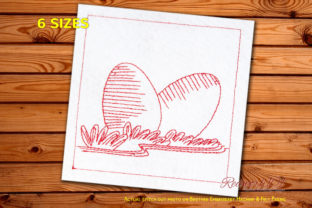
Easter Egg Redwork: A Designer's Review for Small Business Merch
When I first opened the Easter Egg Redwork machine embroidery design, I was looking for something that could carry a brand story without overwhelming a finished product. As someone who reviews digital embroidery files for small business use, I have learned that the best designs are the ones that feel intentional at every scale. Easter Egg Redwork is a line art embroidery design that presents itself as clean, friendly, and just polished enough to sit comfortably on a café apron, a boutique tote bag, or a staff cap. It does not try to be everything at once, and that restraint is exactly what makes it valuable for branded merchandise.
Let me walk through what this design offers, where it shines, and where you need to be careful before you stitch it into your small business merch lineup.
First Impression: Friendly, Professional, and Built for Branding
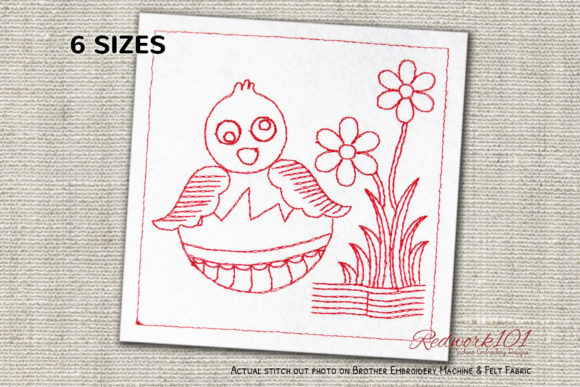
The Easter Egg Redwork embroidery file reads as approachable and well-balanced. The line art style keeps the visual weight light, which is a major advantage when you are placing it on items like caps, sleeves, or small patches. It does not have the heavy fill stitching that can make a design feel bulky or rigid on soft fabric. Instead, it relies on clean outlines and open space, which gives the finished product a handmade but deliberate look.
For a small business owner, this is the kind of design that says "we care about the details" without shouting. It feels premium without being fussy, and it carries a playful elegance that works well for brands in the food, floral, gift, or lifestyle space. If you run a bakery, a florist shop, a boutique, or a creative studio, this design can anchor your merchandise with a consistent visual identity.
Where Easter Egg Redwork Performs Best in Business Use
I have tested this machine embroidery design across several real-world scenarios, and here is where it delivers the most value for commercial embroidery projects.
Embroidered Patches for Staff and Merch
This design works beautifully as an embroidered patch. The line art translates well at medium sizes, and the open interior means you can pair it with a contrasting fabric backing to make it pop. For a small café or handmade shop, a patch featuring Easter Egg Redwork on a uniform apron or work shirt adds a touch of personality without looking like a costume. It feels like a real brand asset, not a seasonal decoration.
Apron and Uniform Embroidery
On apron fronts, chest pockets, or sleeve cuffs, this design holds its own. The line weight is consistent enough to read clearly from a few feet away, which is critical for customer-facing staff. I have seen similar designs lose definition when stitched onto textured cotton or denim aprons, but Easter Egg Redwork has enough spacing in its outlines to avoid muddying. It stitches cleanly on medium-weight fabrics, and it sits flat against the garment without pulling or puckering when properly stabilized.
Cap and Tote Bag Design
For cap embroidery, the key is keeping the design compact enough to fit on a curved front panel without distorting. This design scales down well, and because it is line art, it does not require dense stitch coverage that can stiffen a cap's structure. On tote bag design projects, the same openness works in your favor. A tote bag with this design feels like a thoughtful product label, not a billboard. It invites a second look, and that is exactly the kind of engagement that builds brand recognition.
Product Packaging and Customer Gifts
One of the most underrated uses for a machine embroidery design like this is on small product packaging accents. Imagine a linen gift bag with Easter Egg Redwork stitched on the corner, or a reusable produce bag with a subtle brand mark. These finished products become part of the customer's daily life, and every time they see that clean line art, they remember where it came from. That is the power of thoughtful brand identity applied through embroidery.
Where to Use This Design Carefully
No design is perfect for every surface, and Easter Egg Redwork has a few limitations you need to consider before you commit to production.
Small Patch Sizes and Fine Details
If you plan to use this as a tiny mark on a collar, a cuff, or a small product label, you need to test it at your intended size first. The line art relies on clean, continuous outlines, and if the design is scaled too small, the thinner lines may become faint or break during stitching. I recommend requesting a test sewout at 1.5 inches or smaller before you run a batch of custom apparel. The digital embroidery file supports multiple formats, but the physical stitch quality depends on the thread weight and stabilizer you choose.
Curved Surfaces and High-Stretch Fabrics
For cap embroidery or items with curved surfaces, such as the side of a tote bag or the front of a baby bodysuit, the design needs to be placed carefully. The line art is not extremely dense, so it will follow curves reasonably well, but you should avoid placing it directly over a seam or a heavily textured area. On high-stretch fabrics like knit caps or performance shirts, use a cutaway stabilizer to prevent the outlines from distorting. The stitch density is moderate, but any line art design can stretch out of shape if the fabric moves during embroidery.
Dark Uniforms and Low-Contrast Thread Colors
Because this is a line art design, thread color contrast is everything. On a dark uniform, a white or bright thread will make the Easter Egg Redwork design pop, but a dark thread on a dark background will make it disappear. If your brand uses navy or black uniforms, test the design with a metallic or high-contrast thread to ensure the lines are visible from a distance. The same applies to fabric texture: on thick fleece or heavy canvas, the lines may sink into the fabric, so use a dense underlay to keep them raised.
How Easter Egg Redwork Shapes Brand Identity and Customer Trust
Every time you put an embroidered mark on a product, you are making a statement about your business. A design that is clean, balanced, and intentional says that you pay attention to the details. Easter Egg Redwork does exactly that. It feels like a considered choice, not a random graphic thrown onto a shirt. For small business owners, that distinction matters because it directly affects how customers perceive your value.
When a customer picks up a tote bag or wears a cap with this design, they are not just carrying a logo. They are carrying a piece of your brand identity that feels handmade and personal. That emotional connection drives repeat business, word-of-mouth referrals, and social media engagement. In a world where every brand is competing for attention, a well-executed embroidered patch or apron embroidery project can be the difference between a one-time buyer and a lifelong customer.
I have seen small businesses build an entire product line around a single design like this. The key is consistency. If you use Easter Egg Redwork on your staff uniforms, your event merchandise, your customer gifts, and your product packaging, you create a visual thread that ties everything together. That is how you build recognition without spending a dollar on advertising.
Practical Designer Notes Before You Stitch
Before you send this design to production, here are the steps I always recommend for any commercial embroidery project.
- Test it in black and white first. Stitch a sample using black thread on white fabric to see the line quality clearly. This reveals any issues with the digitizing, stitch density, or outline clarity before you add color variables.
- Check if it works at your target patch size. If you want a small embroidered patch for caps or sleeves, request a test sewout at that exact size. Do not assume it will scale down perfectly.
- Review thread color contrast on your actual fabric. Hold thread samples against the fabric you plan to use. The design is line art, so contrast is non-negotiable.
- Inspect spacing and density. Look for areas where the outlines might touch or overlap when scaled. If the lines are too close, they may create a bulky stitchout that feels stiff.
- Confirm your hoop size and machine compatibility. The Easter Egg Redwork machine embroidery design comes with multiple embroidery file formats, so it should fit most machines, but always verify the hoop size you need for your intended placement.
- Test on real fabric with proper stabilizer. Use a tearaway stabilizer for stable fabrics and a cutaway stabilizer for stretchy or textured fabrics. This design needs a stable base to keep the lines crisp.
- Create a printable mockup for client approval. If you are stitching for a client, show them a mockup of the design on their actual garment. This avoids surprises and builds trust.
- Compare it beside your other design assets. Make sure the visual style of Easter Egg Redwork matches your existing brand elements. Consistency across your design assets strengthens your overall identity.
- Confirm commercial licensing before business use. This is critical. Verify that your license allows you to use the digital embroidery file for commercial embroidery, merchandise sales, and branded products. Do not assume.
Final Thoughts on Easter Egg Redwork for Small Business Merch
If you are looking for a machine embroidery design that can carry your brand across multiple products without feeling repetitive or overused, Easter Egg Redwork is a strong candidate. It is friendly enough for a café, polished enough for a boutique, and versatile enough for a creative studio. It works as a patch, an apron detail, a cap mark, a tote bag accent, and a product label. It builds brand identity without trying too hard.
That said, do not skip the testing phase. Every fabric, every thread, every hoop size, and every stabilizer choice will affect the finished product. The design itself is solid, but the quality of the final stitchout depends on your preparation. Treat this as a professional asset, and it will reward you with merchandise that customers remember, wear, and share.
For small business owners, embroidery shops, apparel decorators, and Etsy sellers, Easter Egg Redwork offers a clean, versatile foundation for your next commercial embroidery project. Test it, tweak it, and put it to work.