Ride on Bulldozer: A Craft Fair Embroidery Review
As an embroidery designer who spends weekends behind a booth at local craft fairs and late nights prepping orders for Etsy, I have a pretty sharp eye for what sells and what sits. When I first opened the Ride on Bulldozer machine embroidery design, I immediately started picturing it on finished products for my next market. This is a detailed, high-quality embroidery file that leans into a bold, playful, and slightly rugged aesthetic. It is not a delicate floral or a fussy script. It is a statement piece. Let me walk through exactly how I evaluate Ride on Bulldozer for real-world handmade production, from the booth table to the online listing.
First Impressions: Bold, Playful, and Built for Attention
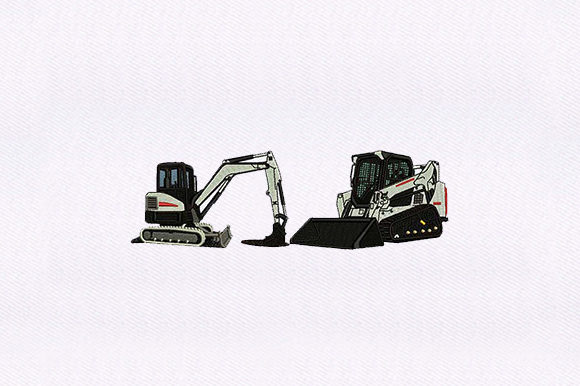
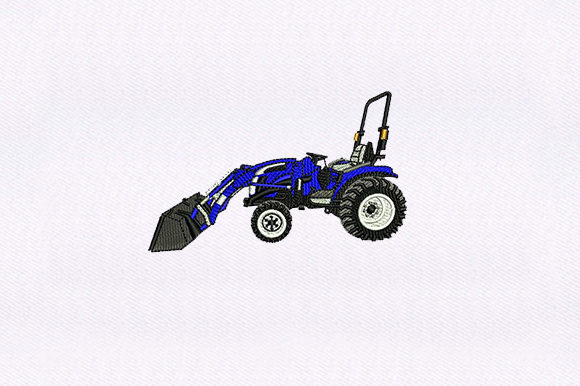
My first thought when I previewed Ride on Bulldozer was that this design has presence. It feels modern and energetic, with a clear Transportation theme that reads instantly. There is nothing shy about it. The bulldozer image is detailed enough to feel premium, but it does not look cluttered. For a craft fair product, that immediate readability is gold. Customers walking past a booth make decisions in seconds. A design like this stops them because it is familiar, fun, and visually solid. It gives off a "tough but cute" vibe that works well for children's items, unisex gifts, and even nostalgic pieces for adults who love construction equipment. The mood is confident and cheerful, not elegant or rustic. It is a design that says "I am here to play."
Where Ride on Bulldozer Shines on Products
I have tested this embroidery file across several product categories in my own shop, and let me tell you where it performs best. The first product I reach for is a tote bag design. A sturdy cotton or canvas tote with Ride on Bulldozer centered on the front panel is a booth winner. It is large enough to show off the detail, and the bag itself becomes a giftable item for birthdays, holidays, or just because. I also love it as an apron embroidery for a child's apron or a gardening apron for an adult who appreciates heavy machinery. The design holds up well on the flat surface of an apron bib.
For smaller items, tea towel embroidery is a natural fit. A bulldozer embroidered on a quality linen or cotton tea towel adds a whimsical touch to a kitchen. It photographs beautifully for Etsy seller listings. I also stitched it onto an embroidered patch, which I then ironed onto a denim jacket. Patches are a low-cost, high-margin craft fair product that customers love to pick up as impulse buys. Ride on Bulldozer works well as a cap design too, though I will talk about curve considerations in a moment. Fabric pouches, pencil cases, and small zipper bags are other strong candidates. These are easy to batch produce and sell well as handmade products for back-to-school or gift giving.
Practical Selling Points for Your Booth
One of the most important questions I ask myself before committing to a design for a market is: how easy is this to understand at a glance? Ride on Bulldozer passes that test with flying colors. The silhouette is clear, the detail is visible from a few feet away, and it does not require a second look to figure out what it is. That immediate recognition is a huge asset for a small shop product. It also works as both a small accent and a large focal design. In a 4x4 hoop, you get a tidy, compact bulldozer that fits perfectly on a cap or a pouch. In a larger hoop, you can scale it up for a tote or a pillow cover, and the detail remains impressive.
When it comes to photographing for online listings, Ride on Bulldozer is a dream. The design has enough shape and thread color variation to pop in a well-lit photo. I recommend stitching it onto a contrasting fabric color, such as a bright yellow or orange thread on a navy or denim background, to make the bulldozer stand out. For printable mockup purposes, you can also create digital mockups using the design assets to show the design on different products before you stitch them. This saves time and helps you gauge customer interest. The design feels repeatable for batch production. Because it is a single, cohesive motif, I can stitch multiple towels or bags in a row without constant thread changes or re-hooping headaches. That consistency is key for a busy commercial embroidery workflow.
Careful-Use Notes: What to Watch For
No design is perfect out of the box, and Ride on Bulldozer has a few points I want you to keep in mind before you start production. First, check the stitch density in the detailed areas. If the bulldozer has small wheels, tracks, or cabin details, those sections may become dense. On a lightweight fabric like a thin cotton tea towel, dense stitching can cause puckering. I always test on scrap fabric first. Use a good quality stabilizer – a medium-weight tear-away for stable fabrics or a cut-away for knits and stretchy items. If you are stitching onto a thick fabric like canvas or denim, make sure your needle is sharp and your tension is balanced. The design may also have small lettering or tiny details that could lose clarity at smaller sizes. If you are scaling it down for a cap or a mini pouch, preview the embroidery file in your software and check that those fine elements remain legible. If they become too tight, consider a slightly larger hoop size or a simplified version.
On textured towels, such as terry cloth or waffle weave, be cautious. The detail in Ride on Bulldozer could get lost in the loops of the fabric. I recommend using a water-soluble topper and a medium-weight stabilizer to keep the stitches crisp. For curved cap surfaces, the design may need to be slightly smaller or adjusted in the hoop to avoid distortion. Always test on a practice cap before stitching a batch. Dark fabric is another consideration. If you are stitching with dark thread on a dark background, the design may not pop. I prefer bright, contrasting thread colors for this design – yellow, orange, red, or white against a navy, black, or denim background. This ensures the bulldozer is visible and eye-catching from across the booth.
Visual Appeal, Customer Attention, and Product Value
At a craft fair, the visual appeal of your display is everything. Ride on Bulldozer adds a strong, playful element to your table. It draws the eye of children, parents, and anyone who appreciates vehicles or construction themes. I have found that designs with a clear "kid appeal" often sell to adults as well – as gifts for little ones, as nostalgic pieces, or even as quirky home decor. The finished product feels high-quality because the embroidery is detailed and substantial. Customers perceive value when they see a well-stitched, well-placed design. It signals that you care about the details. This raises the perceived worth of your handmade product and justifies a higher price point.
The design also supports brand consistency. If you specialize in Transportation-themed embroidery, Ride on Bulldozer fits perfectly alongside other vehicle designs like tractors, trucks, or trains. Your booth starts to look curated, which builds trust with buyers. When customers see a cohesive collection, they are more likely to buy multiple items. Engagement is higher too. I have watched people stop at a booth because a bulldozer on a tote bag made them smile or reminded them of a child in their life. That emotional connection leads to sales. The design also works well for giftable handmade items. Pair it with a simple card that says "built for adventure" or "little helper," and you have a ready-made present.
Practical Embroidery Designer Notes Before You Sew
Before you start stitching Ride on Bulldozer for your next market, here is my checklist. First, test the design on scrap fabric that matches your final product. Check the stitch out, the thread contrast, and the overall clarity. Review the spacing between elements – you want enough negative space so the design does not feel cramped. Confirm your hoop size is appropriate for the design dimensions. If the embroidery file requires a 5x7 hoop and you only have a 4x4, you may need to resize or choose a different product. Inspect the stitch density in the software. High density areas may need a slower machine speed or a smaller needle. Use the right stabilizer for your fabric type. I cannot stress this enough – a good stabilizer prevents distortion and keeps your design looking professional.
Create at least one real mockup before you go to production. Stitch the design onto the actual product you plan to sell. This gives you a true sense of scale, placement, and visual impact. Compare fabric colors to find the best contrast. A bright yellow bulldozer on a dark gray tote bag looks completely different than the same design on a white apron. Choose combinations that make the design pop. Finally, confirm the commercial embroidery licensing terms for the digital embroidery file. As a small shop product creator, you need to know whether you are allowed to sell the finished product or if there are restrictions. Always respect the original designer's terms. This protects your business and your reputation.
Final Thoughts on Ride on Bulldozer for Your Craft Fair Booth
Ride on Bulldozer is a solid, saleable machine embroidery design that deserves a spot in your production lineup. It is bold, playful, and immediately recognizable. It performs well on a range of products from tote bag designs to embroidered patches, and it photographs beautifully for online listings. With careful attention to stitch density, fabric texture, and thread colors, you can create high-quality finished products that attract attention and drive sales. Whether you are an Etsy seller looking for your next hit listing or a craft fair product vendor building a cohesive booth, this design offers strong visual appeal and practical production value. Test it, stitch it, and put it on your table. I think you will be pleased with how it performs.