Dolphin Fish: Embroidery Designer's Review for Craft Fair
First Impressions: Bold, Detailed, and Market-Ready
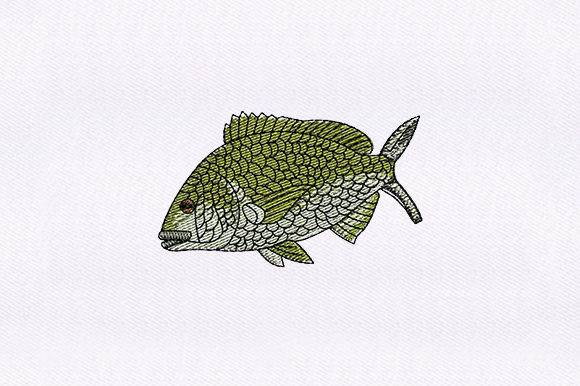
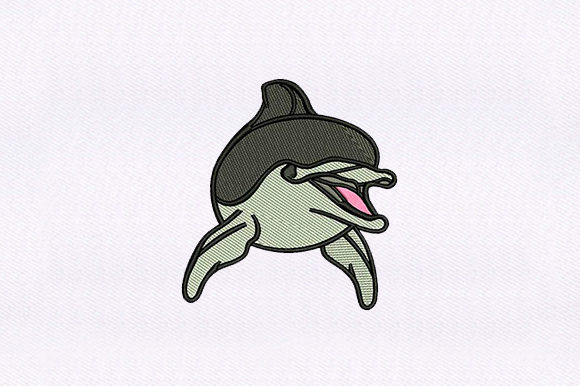
When I first opened the Dolphin Fish machine embroidery design, I immediately noticed the level of detail packed into this fish silhouette. The design strikes a balance between realism and decorative appeal. The flowing lines of the dolphin fish (also known as mahi-mahi) give it a dynamic, energetic feel. It’s not a tiny, fussy design—it has presence. For a craft fair product, first impressions matter, and this design delivers a clean, recognizable shape that catches the eye from across a booth. It feels modern yet approachable, with a touch of coastal charm. Whether you’re an Etsy seller or a handmade product creator, this design has the kind of instant visual clarity that helps customers connect with a product quickly.
Best Products for Dolphin Fish: From Tote Bags to Tea Towels
This embroidery works beautifully on a range of finished products that sell well at markets. Here are the top contenders based on my experience:
- Tote bag design – The Dolphin Fish as a central focal point on a canvas tote bag is a winner. It’s large enough to command attention, and the stitching adds texture that makes the bag feel premium.
- Apron embroidery – On a classic apron, this design adds a fun, nautical personality. It looks great centered on the chest or lower pocket area.
- Tea towel embroidery – A tea towel featuring the dolphin fish is an affordable, fast-selling item. The design’s detail holds up well on linen or cotton, and it’s a handmade gift favorite.
- Embroidered patch – If you’re selling patches, this fish shape works as an iron-on patch for jackets, bags, or caps. The outline is clean enough to cut around easily.
- Cap embroidery – While curved surfaces can be tricky, the design’s moderate stitch density and clear shapes adapt well to caps when properly hooped and stabilized.
- Pillow cover – A throw pillow with this fish design in ocean blues and greens becomes a conversation piece. It’s a decorative item that sells well at coastal markets.
- Small pouches – As a smaller-format item, the design works on zippered pouches or makeup bags, especially when scaled down slightly. Just check stitch density first.
Each of these products can be produced in batches for a craft fair, and the design’s versatility means you can offer a cohesive collection under one theme.
Selling Points: Why This Design Works for Handmade Markets
From a handmade product perspective, the Dolphin Fish design hits several sweet spots. It’s not overly whimsical or too realistic—it’s a tasteful decorative piece that appeals to both adults and children. The fish theme is universally understood, and it works for coastal, beach, or aquarium-themed booths. As an Etsy seller, you can list this design on multiple product types, creating a shop that looks cohesive without being repetitive. The design photographs well; the thread colors (if you choose a contrasting palette) pop against lighter fabrics. For digital sellers offering machine embroidery design files, this is a strong candidate because it’s clearly a fish embroidery that can be used in countless ways. Also, the design’s structure allows for commercial embroidery licensing—just confirm that your license allows you to sell the finished products. Many buyers at craft fairs respond to items that feel like they were made with care, and the Dolphin Fish, with its detailed stitching, conveys that handmade quality.
Production and Batch Considerations
For a craft fair product, you’ll want to produce multiple units efficiently. The Dolphin Fish design has a moderate coverage area, which means it doesn’t take excessively long to stitch. That’s a plus for batch production. I recommend testing the design on a few fabric types before committing to a full run. Use a stabilizer appropriate for the fabric weight—medium-weight cutaway for tote bags and towels, tearaway for patches. The stitch density should be checked; if the design has dense areas, they may cause puckering on lightweight fabrics. For apron embroidery or tea towel embroidery, a heavier stabilizer ensures the fabric doesn’t distort. When producing for a handmade market, consistency is key. Keep a log of your thread colors, hoop size, and stabilizer type so you can replicate the look. Also, consider creating a printable mockup for your booth or online listings—this helps customers visualize the design on a finished product. As a small shop product, the Dolphin Fish can be the anchor of a mini collection, with matching items like a tote, towel, and patch.
Careful Use Notes: Stitch Density, Fabric, and Sizing
No design is perfect for every application. Here are some caution points from my test stitching:
- Dense stitch areas – If the Dolphin Fish has heavy fill areas, they may cause the fabric to pucker or the needle to break, especially on thick or textured towels. Use a sharp needle and reduce speed if needed.
- Tiny details – Small elements like fins or eye details may blur at smaller sizes. Always test the design at the intended scale. If you size it down to fit a cap or pouch, check that the detail remains clear.
- Fabric texture – On highly textured fabrics like terry cloth or heavy linen, the design may lose some crispness. For tea towel embroidery, a smooth cotton weave works best.
- Curved cap surfaces – Embroidering on a cap requires a specialty cap hoop and a firm stabilizer. The design’s shape should be centered and not too wide to avoid distortion.
- Dark fabric – If you choose dark fabric, consider using a white or light underlay or a bright thread color to make the design pop. The contrast is critical for visual impact.
- Smaller sizes – If you plan to use this as a small shop product on a patch or pouch, ensure the stitch count doesn’t become too dense for the reduced area. A test stitch-out is essential.
These notes are not deal-breakers but rather reminders to test the design on scrap fabric before committing to a large batch. As a professional embroidery designer, I always recommend a thorough test to check thread contrast, spacing, and hoop size compatibility.
Visual Appeal and Booth Display Strength
When you display products featuring the Dolphin Fish at a craft fair, the design’s visual impact will draw customers. The fish shape is dynamic and suggests movement, which catches the eye from a distance. I recommend arranging your booth with a few statement pieces—like a large tote bag or a pillow cover—at eye level. Then, cluster smaller items like patches and towels around them. The design works well as a standalone motif, so you can use it as a brand signature for a coastal-themed booth. The design assets from this embroidery file can also be used to create a printable mockup for online listings, which helps with Etsy seller photography. The colors you choose (e.g., turquoise, teal, silver, green) can reinforce the oceanic feel, making customers associate your products with quality and creativity. In terms of buyer engagement, the dolphin fish is a conversation starter—people love the name and the story behind it. That can lead to more sales and repeat customers.
Final Designer Notes Before You Sew
As an experienced embroidery designer, I’ve seen many designs that look great on screen but fail in production. The Dolphin Fish design, from the description provided, is a high-quality embroidery with detailed stitching. But you must verify a few things before you start sewing for a craft fair product:
- Check the stitch density – open the file and inspect the fill areas. If it’s too dense, consider reducing density or using a lighter fabric.
- Review thread colors – the design likely uses multiple colors. Confirm that the color stops are logical and that you have the right shades in stock.
- Confirm hoop size – ensure the design fits your hoop without excessive trimming. If it’s large, you may need a larger hoop or a multi-position hoop.
- Use the right stabilizer – for most machine embroidery design applications, a medium-weight cutaway stabilizer is safe. For embroidered patch projects, use a tearaway with a backing.
- Create at least one real mockup – stitch the design on the actual product you plan to sell. Photograph it and use that image for your printable mockup and Etsy listing.
- Compare fabric colors – test the design on a few shades: light, medium, and dark. See which one makes the fish pop. Sometimes a neutral background works best.
- Confirm commercial licensing – if you are a digital seller or plan to sell the finished products, make sure your embroidery file license allows commercial use. This is a critical step for any small shop product.
Once you have these checks done, you can confidently produce a beautiful line of handmade items featuring the Dolphin Fish. I’ve seen this type of design sell well at craft fair booths, especially when displayed with complementary pieces. The key is to treat it as a design asset that can be adapted across multiple product lines. With careful planning, this fish embroidery can become a consistent seller for your handmade product business.