Chopper Riding Gorilla: A Design Review for Small Business Merch
As an embroidery designer who spends a lot of time reviewing machine embroidery designs for small business merch, I’ve learned to spot a potential bestseller quickly. The Chopper Riding Gorilla design immediately caught my attention. It’s quirky, bold, and has a distinct personality that screams "mascot potential." This isn't a generic corporate logo; it's a statement piece. For businesses looking to build a strong, recognizable brand identity—whether it's a craft brewery, a biker café, or a pet boutique with a tough exterior—this embroidery file offers a fantastic foundation. Let's break down how it performs in the real world of commercial embroidery.
First Impressions: Quirky, Bold, and Built for Brand Recognition
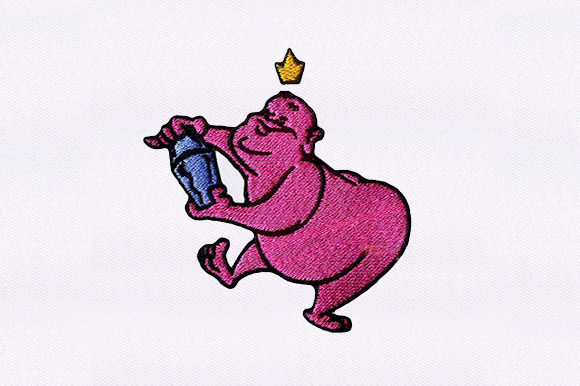
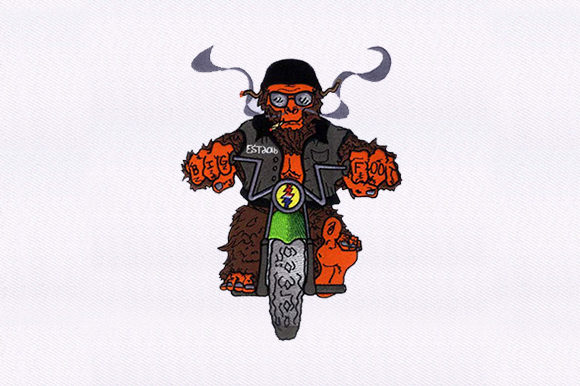
The first thing I noticed is the attitude. The gorilla is a classic symbol of strength, and pairing it with a chopper adds a layer of rebellious fun. The "quirky" description is accurate, but it's a polished quirkiness. This machine embroidery design feels like it belongs on a high-end custom patch or a premium cap, not just a child's toy. It has a hand-drawn, artistic feel that translates beautifully to thread. For a small business, using this design communicates that you don't take yourself too seriously, but you care deeply about quality and aesthetic. It creates an immediate emotional connection with customers who share that sensibility. It’s a conversation starter, which is gold for brand recognition. The Chopper Riding Gorilla is not a background player; it demands attention and tells a story before a single word is read.
Where Chopper Riding Gorilla Shines in Small Business Merch
This design is incredibly versatile for branded merchandise. Here’s where I see it performing best for your custom apparel and product lines:
- Embroidered Patches: This is a no-brainer. The Chopper Riding Gorilla will look incredible as a sew-on or iron-on patch. It’s perfect for vests, denim jackets, and backpacks. For a local business, selling patches as a low-risk, high-margin item builds a community around your brand.
- Apron Embroidery: Imagine a BBQ joint, a coffee roastery, or a local bakery using this on their staff aprons. It adds a rugged, hands-on feel. The size of the design fits well on a standard apron bib, turning a uniform into a statement of pride.
- Cap Embroidery: A front panel cap design is a natural fit. The "chopper" element can be angled to fit the curve of the cap. It makes a bold statement that is highly visible and wearable daily.
- Tote Bag Design: As a centerpiece on a canvas tote bag, this design is a walking billboard. It’s large enough to make an impact, turning a simple bag into a premium, handmade product that customers will carry everywhere.
- Work Shirts & Uniforms: For a garage, bike shop, creative studio, or even a florist with a rock-and-roll edge, this on the back of a work shirt or as a chest logo instantly builds a team identity and makes your staff approachable.
Critical Design Considerations for Commercial Embroidery
While I love the potential of this embroidery file, responsible production requires careful planning. Here are my practical notes for ensuring a high-quality finished product:
- Stitch Density & Fabric Texture: A design with this much detail (gorilla fur, chopper wheels, engine) likely has areas of high stitch density. On heavier fabrics like denim or canvas, this is fine. On lightweight performance fabrics, it might cause puckering. Always test on your actual fabric texture.
- Sizing for Cap Fronts & Curved Surfaces: The horizontal nature of a chopper can be tricky on a curved cap front. You might need to scale it down, but ensure the digitizing holds up. Tiny details in the wheels or the gorilla's face might get lost at a small patch size. This design works best as a medium to large application.
- Thread Color Contrast: The design needs strong contrast. A dark gorilla on a light background works best. If you're stitching it on dark uniforms, you'll need bright or metallic thread colors to make the details pop. I always recommend testing it in black and white first to check the value contrast before committing to a full color run.
- Washing Durability: High stitch density areas can sometimes lead to shrinkage. Using a high-quality stabilizer (cutaway is my recommendation for this design) and proper hoop size technique is essential to ensure the finished product survives frequent washing, especially for staff uniforms.
How This Design Impacts Brand Identity and Customer Perceptions
Adding Chopper Riding Gorilla to your product line instantly elevates your brand's visual consistency. It tells a story. A customer buying a tote bag with this design isn't just buying a bag; they're buying into the vibe of your small business. It builds a tribe. The handmade, stitched quality adds a layer of perceived value and customer trust that print-on-demand can't match. It’s a premium, tactile experience. For Etsy sellers and craft business assets, this design is a goldmine. It can be the central piece of a collection. You can create a printable mockup for your shop, and the physical product will exceed expectations. It adds character and depth to your brand identity, making you memorable in a sea of generic merch. This is the kind of design that gets photographed and shared on social media.
However, it's important to match the design to your brand voice. A high-end law firm would be a mismatch, but a pet brand selling "tough dog" gear, a local brewery, or a bookstore cafe would find it perfect. It adds a layer of handmade product authenticity that resonates with buyers looking for something unique.
Practical Embroidery Designer Notes Before Production
Before you stitch this out for a client or your own small business merch, go through my standard checklist to ensure a smooth workflow:
- Digital Embroidery File Check: Ensure the file format is correct for your machine. Don't assume it will work out of the box.
- Hoop Size: Confirm the design's dimensions. It will likely require a medium to large hoop. Plan your layout accordingly to avoid unnecessary re-hooping.
- Stabilizer Selection: Use a firm cutaway stabilizer for patches or items that need structure. Use a tear-away for stable fabrics like canvas. This is non-negotiable for a professional finish.
- Create a Printable Mockup: Always create a mockup for client approval before stitching. This saves time, thread, and manages expectations. It's a critical step in professional commercial embroidery.
- Test on Real Fabric: Always stitch a sample on the exact fabric you plan to use. Check for tension issues, gaps, or thread breaks. This is your final quality control.
- Review Commercial Licensing: The description states it's for your "next sewing project." Verify the commercial license terms if you are producing large quantities for sale. This is a crucial step for any business using digital embroidery file assets.
- Compare Design Assets: See how this design looks beside other design assets you own. Does it fit the overall aesthetic of your brand collection? Consistency is key.
Final Thoughts on This Machine Embroidery Design
The Chopper Riding Gorilla machine embroidery design is a powerful tool for the right small business. It’s a bold, quirky, and professionally crafted piece that can transform ordinary custom apparel into memorable brand assets. Whether you're producing embroidered patches for a local event, decorating aprons for a cafe, or designing a new line of tote bags, this design has the "wow" factor. Just follow the practical steps I've outlined, respect the fabric texture and stabilizer requirements, and you'll have a finished product that your customers will love and wear proudly. It’s a fantastic addition to any commercial embroidery project lineup, adding a touch of fun without sacrificing quality.