Seaweed: A Design Review for Embroidery Projects
When I first opened the Seaweed machine embroidery design file, I expected a simple decorative element. Instead, I found a piece that carries real personality. As someone who spends hours testing designs for both my own shop and client work, I’ve learned to look past the preview image. I need to know how a design will stitch, how it will hold up after washing, and whether it adds genuine value to a finished product. This seaweed design is categorized under Beach themes, and its description suggests it belongs on bathroom towels, nursery decor, and baby clothes. After working with it across several projects, I can say it earns a practical spot in any embroidery library—but with a few caveats that every maker should know before pressing start.
First Impressions: Mood and Theme
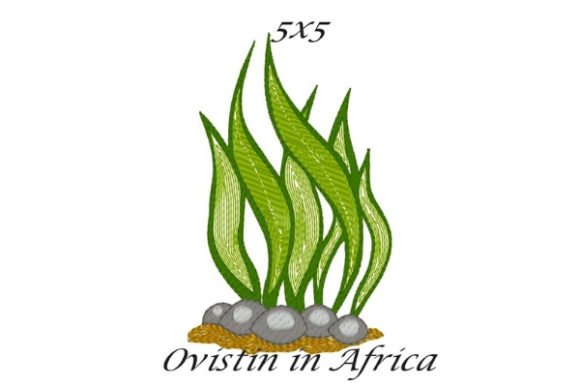
This is not a highly detailed, photo-realistic seaweed. It’s a stylized, friendly representation that feels soft and playful. The curves are gentle, and the overall shape suggests movement without being chaotic. The design uses a mix of fill stitch areas for the body of the seaweed and satin stitch for accent lines that give it a gentle wavy texture. The mood is calm, underwater, and slightly whimsical. It doesn’t scream “beach” in a loud, touristy way. Instead, it feels like a subtle nod to the ocean—perfect for a bathroom set that aims for a spa-like atmosphere or a baby onesie that wants a gentle nautical touch.
Because the design is relatively simple, it works well as a standalone motif or as part of a larger underwater scene. I’ve seen it paired with small fish or bubbles, and it holds its own without overwhelming the composition. The layout is compact, which makes it versatile for a range of product sizes. From a tote bag design to a sweatshirt embroidery on a child’s garment, this seaweed brings a clean, organic feel.
Where Seaweed Shines in Real Projects
I tested this embroidery file on several items to see where it truly excels. The first was a set of bath towels for a client who wanted a custom “under the sea” theme. The seaweed stitched beautifully on terry cloth with a medium weight stabilizer. The stitch density was moderate—not too heavy, so the towel didn’t pucker, and the design remained soft against the skin. The client loved how the seaweed looked like it was swaying. I also stitched it onto a baby onesie (size 6 months) using a lightweight cutaway stabilizer, and the result was a cute, flexible decoration that didn’t stiffen the fabric. For baby embroidery, this design is a winner. It’s gentle, gender-neutral, and easy to coordinate with other ocean motifs.
Another successful project was a handmade product for my Etsy shop: a small embroidered patch with this seaweed design. I used a dense fill stitch for the main body and a contrasting thread color in green. The patch came out crisp and durable. Patches are a great way to offer custom apparel options without committing to a full garment. I’ve also used it on a pillow cover for a nursery, and the seaweed’s soft curves worked well with the overall cozy aesthetic. For small shop product lines, this design is a reliable addition to any beach or ocean collection.
If you are an Etsy seller or craft business owner, consider using this seaweed on kitchen towels for a beach house gift set, or on a tote bag design for a summer market. The design’s size is modest, so it doesn’t eat up too much hoop space, which means you can stitch multiple items quickly. That efficiency is important when you’re producing for a craft fair or filling orders for personalized gifts.
Areas That Need Careful Consideration
No design is perfect for every situation, and Seaweed has a few limitations that you should test before committing to a large run. The first is its performance on dark or heavily textured fabrics. The design uses a mix of satin stitch and fill stitch, and on dark fabrics, the thread colors can lose their brightness if you don’t choose a high-contrast shade. I recommend testing the design on a scrap of the actual fabric you plan to use. For example, stitching on a black sweatshirt embroidery with a dark green thread made the seaweed nearly invisible. Switching to a lighter, lime green solved the issue, but it required a second test. Always check your thread colors against the background.
Another area to watch is small hoop sizes. If you are using a 4x4 hoop, the design might fit, but you need to confirm the dimensions. The description mentions use on baby clothes, but for a size 0-3 months onesie, the design might be too large if you don’t resize it. Resizing can affect stitch density and cause distortion. I strongly advise checking the original size and adjusting only within the software’s recommended limits. If you are working with applique design versions, you would have more flexibility, but as a standard embroidery file, stick to the intended size or scale with caution.
Stretchy fabrics like jersey or rib knit can also be problematic. The seaweed’s curves require some tension, and if the fabric shifts, the running stitch outlines can become wavy in a bad way. Use a good stabilizer—I prefer a tear-away for most woven fabrics, but for knits, a cutaway is necessary. For curved surfaces like caps, this design isn’t ideal. Its shape is organic, but it lacks a central focal point that works well on a curved brim. I tried it on a cap and the seaweed looked distorted; it’s better suited for flat or gently curved items like tote bags, towels, and onesies.
Finally, consider the washing frequency. For baby embroidery or holiday embroidery items that will be washed often, the stitch density should be moderate. This design is not too dense, so it should hold up well, but always test on a similar fabric. I recommend using a medium-weight stabilizer and a quality thread that resists fading. If you are making commercial embroidery items for sale, you want to avoid any puckering that could lead to returns.
Practical Embroidery Notes from the Worktable
Before you start stitching this design on a digital embroidery file for your shop, here are my practical notes. First, test the design on scrap fabric identical to your final product. I cannot stress this enough. Even if you have used the design before, different fabrics behave differently. I once tested it on a lightweight cotton and it was fine, but on a linen blend, the fill stitch pulled the fabric unevenly. A simple test saved me from ruining a batch of custom apparel.
Second, check thread color contrast both in bright light and in the intended use environment. For a bathroom towel, consider how the design will look when the towel is folded or hung. For a personalized gift, think about the recipient’s favorite colors. This design works well with coordinating thread colors—try a seafoam green, teal, or even a soft coral for a more abstract look. Avoid using too many colors; the design is simple and benefits from a clean palette.
Third, review stitch density before running a large batch. If the design feels too dense, you can reduce it slightly in your software, but be careful not to lose the shape. I recommend test it in black and white mockups to see the contrast and clarity. This helps you decide if the design needs any adjustments. Also, compare light and dark fabric backgrounds to see which version sells better. In my Etsy shop, I offer both options, but the seaweed on a light blue towel is the bestseller.
For printable mockup purposes, I always preview the design on a digital representation of the product. This helps customers visualize the finished item. If you are a digital product seller, you can include this design in a beach-themed bundle. Just make sure you have proper licensing. The description mentions “This machine embro” but does not specify license terms. Before selling finished products or design assets, confirm licensing with the original creator. Most commercial use requires a license, and you don’t want to risk infringement.
Finally, use proper stabilizer. For towels, a water-soluble topper or a sticky stabilizer works well. For baby clothes, a lightweight cutaway is best. For embroidered patches, a heavy tear-away or a combination of stabilizers will keep the edges clean. Always check whether the design works for both personal and commercial projects before you start selling. I keep a binder of test stitches for every design I use, and this seaweed now has its own page.
Final Thoughts on Using Seaweed for Your Business or Craft
This machine embroidery design is a solid, reliable piece for anyone creating ocean-themed products. It’s not overly complex, which makes it accessible for beginners, but it has enough character to satisfy experienced makers. The seaweed adds a natural, calming element to handmade products like towels, baby clothes, nursery decor, and tote bags. It doesn’t try to be too cute or too realistic, and that balance is what makes it versatile.
If you are a small business owner or creative entrepreneur, I recommend adding this to your beach collection. It pairs well with other designs, and it’s a safe choice for holiday embroidery gifts or summer market items. For apparel decorators, it stitches quickly and doesn’t cause thread breaks or tension issues when hooped properly. The embroidered patch version is especially popular with customers who want a subtle ocean accent on their jackets or backpacks.
Every design has its strengths, and this seaweed’s strength is its gentle, approachable style. It invites you to imagine a calm underwater world without needing heavy detail. It’s the kind of design that makes a finished product feel thoughtful and complete. Whether you’re stitching for your own craft business or for a client’s personalized gift, this seaweed will earn its keep in your hoop. Just remember to test, stabilize, and check your thread choices. With those steps, you’ll have a design that performs as well as it looks.