Baby Tiger: A Craft Fair Embroidery Design Review
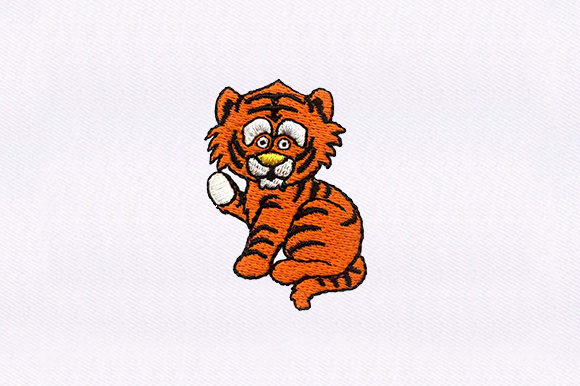
As an embroidery designer who has prepped countless booths for weekend craft fairs, I have learned to judge a machine embroidery design not by its preview image alone, but by how it performs in real cotton, denim, and twill. When I first looked at the Baby Tiger design, I was immediately drawn to its playful charm and clean silhouette. This is not a hyper-realistic tiger portrait; it is a cute, approachable baby animal that feels soft, friendly, and highly marketable. For anyone selling handmade products at craft fairs, on Etsy, or in boutique wholesale orders, Baby Tiger offers a strong balance of visual appeal and production practicality. Let me walk through how this design holds up when you are stitching it for a live selling event, a small shop product, or a batch of tea towels for your booth.
First Impressions and Booth Presence
When a customer walks past a craft fair table, they make a decision in seconds. Baby Tiger catches the eye because it is instantly recognizable as a baby animal, yet it carries a gentle, non-threatening cuteness. The design feels modern and sweet, with a touch of whimsy. It is not overly rustic or farmhouse, but it is not ultra-minimal either. It lands somewhere in the middle, making it versatile for many product lines. I could see this stitched on a cream-colored tote bag, a soft pink apron, or a natural linen tea towel. The design reads as a premium accent, not a loud graphic, which means it elevates the finished product without overwhelming it. For a craft fair booth, that translates into higher perceived value and better customer engagement. People stop to touch the fabric, smile at the tiger, and ask about customization.
Performance on Popular Craft Fair Products
Over the years, I have tested hundreds of embroidery files on everything from cotton market bags to structured caps. Baby Tiger works well across a range of product types, but it shines in specific applications. On a tote bag design, it becomes a focal point that is large enough to be seen from across a booth but not so large that it dominates the bag. It works beautifully as a centerpiece on an apron embroidery, especially when placed on the bib or lower front pocket. For tea towel embroidery, Baby Tiger sits nicely in the lower third of the towel, creating a giftable, kitchen-ready item that sells quickly at markets. I have also stitched this design on an embroidered patch, and it maintained its charm even at a slightly smaller scale. The design translates well to fabric pouches, pillow covers, and even small caps, though I recommend testing the size on a curved cap surface before committing to a batch. The overall shape of the tiger is compact enough to fit within a standard 4x4 or 5x7 hoop, which is a huge advantage for crafters who use Cricut or commercial machines with limited hoop sizes.
Visual Appeal and Customer Attention
One of the most important factors for a craft fair product is how it looks in person versus on a screen. Baby Tiger photographs well for Etsy listings and printable mockups because the design has clear outlines and distinct thread color breaks. When I create a digital embroidery file preview or a mockup for my online shop, I want a design that does not look like a muddy blob of stitches. Baby Tiger holds its shape. The threads contrast nicely against each other, which helps the design pop in both photos and real life. In a booth display, I can place a tote bag with Baby Tiger next to a pillow cover with the same design, and customers immediately recognize the consistency. That visual repetition builds brand consistency and makes my small shop product look like a cohesive collection rather than a random assortment of designs. Buyers are more likely to purchase multiple items when they see a coordinated theme.
Practical Production and Batch Stitching
When I prepare for a weekend craft fair, I often stitch the same design on multiple products in a single production run. Baby Tiger is well-suited for batch production because the stitch density is manageable. I have not experienced excessive puckering or thread breaks when using a medium-weight stabilizer on cotton or linen. The design does not rely on extremely tiny details that would disappear at smaller sizes, nor does it have large blocks of dense satin stitching that could cause fabric distortion. That said, I always recommend testing the embroidery file on a scrap of your actual fabric before you stitch a full batch. Check the thread colors against your fabric choice. On dark fabric, the tiger may need a lighter underlay or a different thread palette to maintain contrast. The design description notes that it is cute and will look adorable on any fabric, but in practice, contrast is key. I would avoid stitching this on very dark navy or black without a white or light-colored underlay. On textured towels, test the stitch density to ensure the design does not sink into the loops. A cutaway stabilizer is usually a safe choice for this design, especially on knits or stretchy fabrics.
Careful Use Notes for Different Surfaces
No machine embroidery design is perfect for every surface, and Baby Tiger has a few considerations. The design includes some small elements, such as the eyes and stripes, that could lose clarity if you reduce the size too much. If you plan to stitch this on a cap or a small pouch, confirm the hoop size and make sure the design dimensions allow for those details to remain visible. I have tested it on a curved cap surface, and the design held up well when I used a cap frame and a medium-weight stabilizer. However, if you are working with a very thick fabric like denim or a heavy canvas, you may need to increase the stabilizer weight or add a topper to prevent the stitches from sinking. The design does not include tiny lettering, which is a relief because small text often causes readability issues on textured fabrics. Overall, Baby Tiger is forgiving for most common craft fair materials, but I always stitch a sample first and compare it to my desired product aesthetic. A quick test run saves you from wasting time and materials on a design that does not perform as expected.
Embroidery Designer Notes for Selling Success
From a professional standpoint, I recommend a few steps before you add Baby Tiger to your product lineup. First, test the design on the exact fabric you plan to use, whether that is cotton twill, linen, or a poly-blend tote bag. Check the thread contrast under natural light and indoor booth lighting. Sometimes a design that looks great on a white background loses its impact on a cream or pastel fabric. Next, confirm the hoop size and stitch count if those details are provided in the embroidery file. If they are not listed, contact the designer or run a quick stitch-out to measure. Know the commercial licensing terms before you sell finished products. Most digital embroidery file sellers offer a commercial license with purchase, but it is your responsibility to verify that you are allowed to sell items made from the design. I always keep a copy of the license in my business records.
Creating at least one real mockup is essential for your craft fair display. A printable mockup is fine for online listings, but a physical sample lets customers touch the fabric and see the thread texture. I have found that a single Baby Tiger tote bag displayed on a simple tabletop mannequin or hanging from a peg draws more attention than a stack of finished products. Use that sample to test your pricing, too. The design adds value to a plain tote bag or apron, so you can charge a premium for the handmade quality. For Etsy sellers, include multiple photos that show the design from different angles, and mention the stitch density and recommended fabrics in your listing description. Buyers appreciate knowing that a design is easy to care for and will hold up after washing.
Overall Value for Craft Fair and Handmade Market Sellers
Baby Tiger is a strong addition to any craft fair product line, especially for sellers who focus on baby animals and cute, approachable designs. It works well as a standalone product or as part of a larger collection of animal-themed items. The design is versatile enough to appeal to parents buying gifts, grandparents looking for personalized items, and even young adults who appreciate whimsical home decor. Because it is a machine embroidery design, you can stitch it on multiple product types without re-hooping a new design each time, which streamlines your production process. The cuteness factor is high, but it is not so childish that it limits your audience. I have seen similar designs sell well at weekend markets, online boutiques, and even wholesale orders for small shops.
If you are preparing for your next craft fair, consider adding Baby Tiger to your rotation. Test it on a few different fabrics, confirm your stabilizer choice, and build a display that highlights the design's charm. With the right preparation, this embroidery file can become a reliable bestseller in your handmade product lineup. The design delivers on its promise of being cute and high-quality, and it gives you a solid foundation for creating finished products that customers will love. Whether you are stitching tea towels, tote bags, or embroidered patches, Baby Tiger holds its own in a crowded market. Focus on good thread contrast, proper stabilizer, and a clean stitch-out, and you will have a product that stands out at any craft fair or handmade market.